Drone operations without the battery limit
Our nodes give drones charging, communications and data wherever the work is, so a single flight becomes persistent coverage across an entire line, site or territory.
Farther, longer and with no one on site
Every node charges drones wirelessly, relays their communications and moves their data. Placed together, they change what a drone program can do.
Extend every mission
Drones hop node to node along a corridor, covering distances no single battery can.
No human in the loop
Drones land, charge, offload and relaunch on their own. Coverage runs around the clock without pilots driving out to swap batteries.
Keep the fleet you have
Our charging works across drone makes and sizes. Run mixed fleets and change aircraft without changing infrastructure.
Links beyond line of sight
Nodes relay command and video links and carry data home where there is no cell coverage.
Grid-powered nodes for fixed sites
At substations, facilities, stations and yards, nodes draw on site power with battery backup, so drones keep charging through an outage.
Self-powered nodes for remote and austere sites
Battery, solar and generator power for places with no outlet at all. Rugged, portable configurations travel with your team and are running within hours, wherever the mission goes.
Inspect every mile of line without sending a crew to every mile
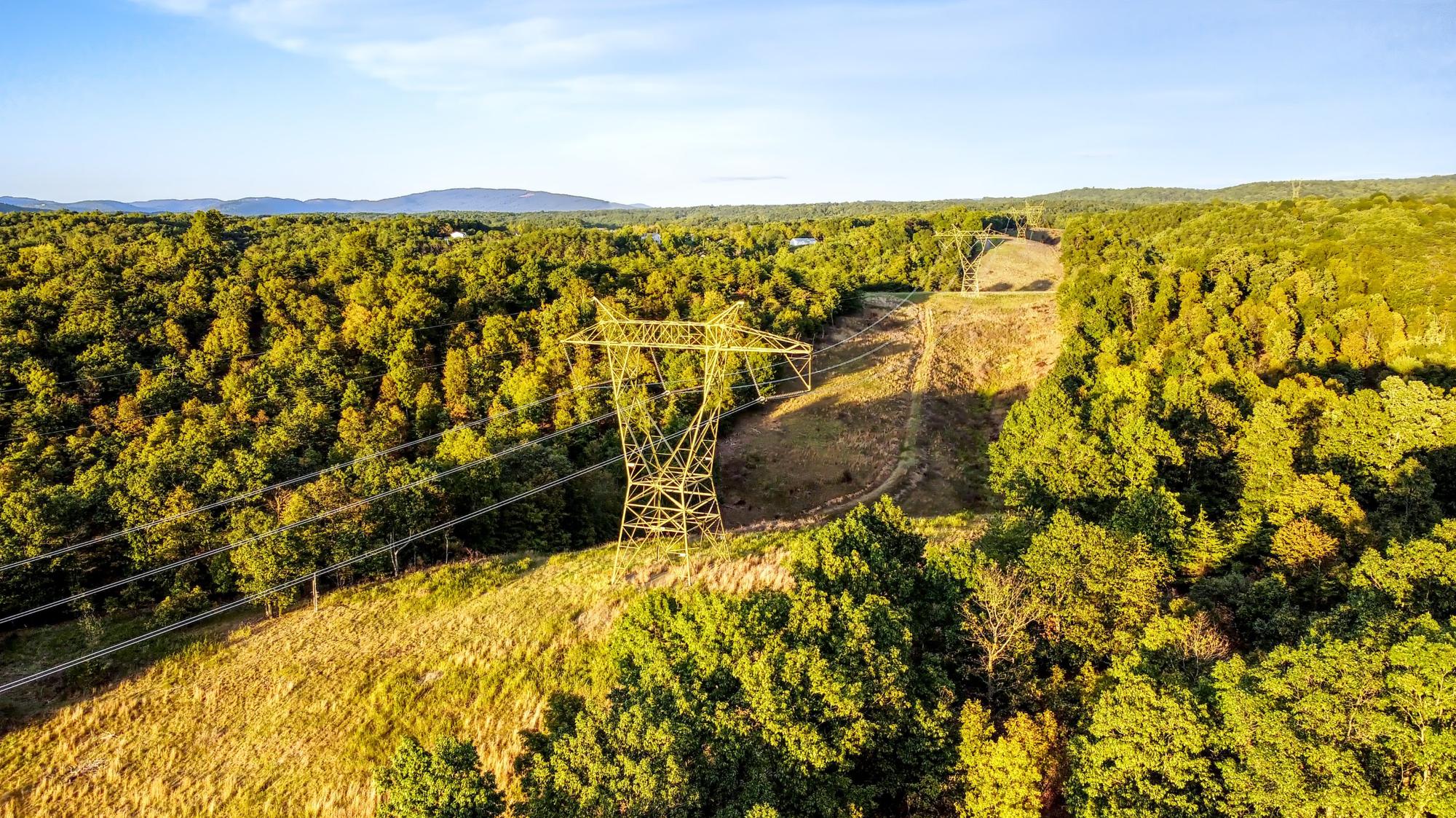
Transmission and distribution lines run for hundreds of miles through terrain that is slow to reach. Drone programs already cut inspection costs, but every flight still needs a pilot to drive out, swap batteries and drive home. Nodes at substations and along rights-of-way let drones fly assigned line segments, land at the next node to recharge and send imagery back on their own.
- Routine line and vegetation inspection without truck rolls
- Storm damage assessment as soon as the winds drop
- Scheduled and alarm-triggered substation security patrols
- Works with the drones your team already flies
60% lower inspection cost reported by Georgia Power's drone program compared with traditional methods. Source: Southern Company, Aug 2024
Patrol the full right-of-way on schedule
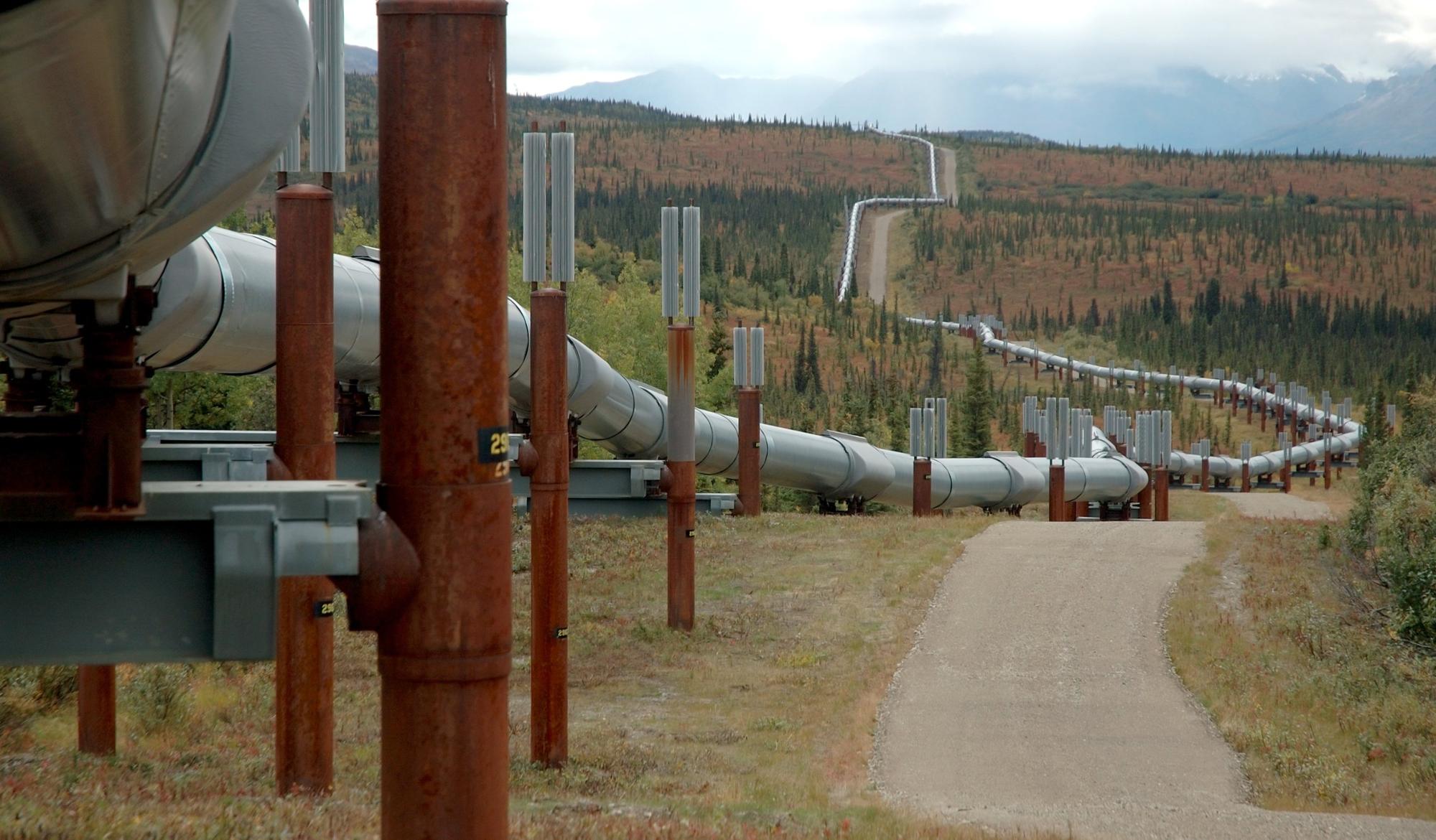
Federal rules require recurring pipeline patrols, and most are still flown by contracted aircraft or driven. A single drone cannot cover a long line on one battery. Nodes spaced along the right-of-way and at compressor and pump stations let drones hop node to node and cover the entire line.
- Scheduled patrols for encroachment, excavation and leaks
- Weekly or daily coverage instead of the regulatory minimum
- Time-stamped imagery from every flight for compliance records
- Portable nodes for construction and emergency response
$26.2M in estimated annual industry savings from PHMSA's proposed rule allowing drone patrols. Source: Federal Register 2026-08080
Check every tank, fence and pasture from headquarters
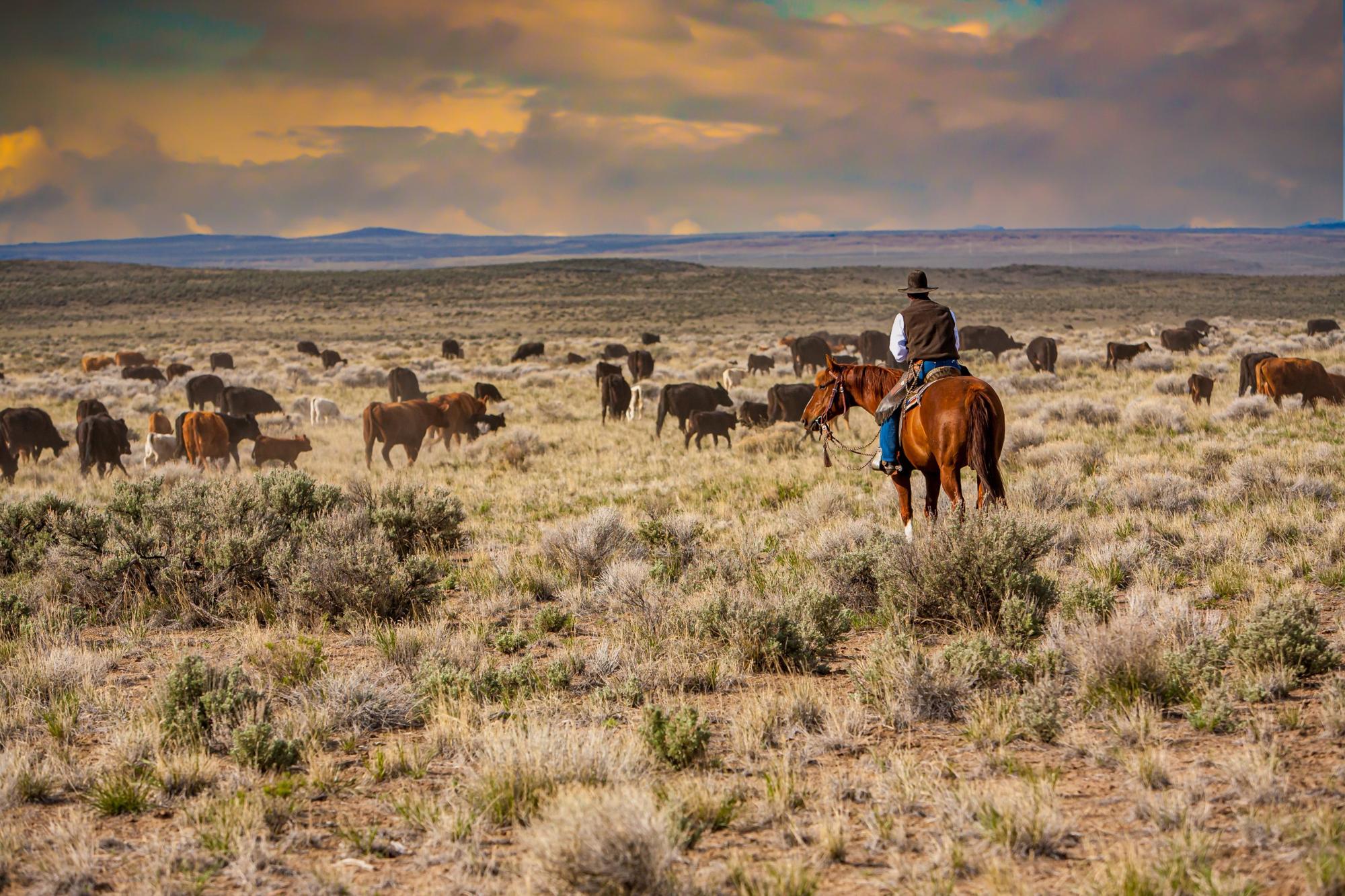
Large operations cover thousands of acres with a handful of hands, and checking water, fences and cattle is daily, driving-heavy work. Nodes at headquarters and key water points keep drones flying every morning and patrolling at night. Mobile nodes move with the herd under rotational grazing and keep spray and scouting drones working field to field.
- Daily tank, fence, gate and herd checks
- Night patrols and alerts at gates, pens and roads
- Early warning on animals down, calving trouble or a dry tank
- Solar and battery power for remote pastures
6,470 head of stolen cattle recovered by Texas special rangers in 2025, and that is only what was found. Source: TSCRA 2025 annual report
One network for inspection, monitoring and security
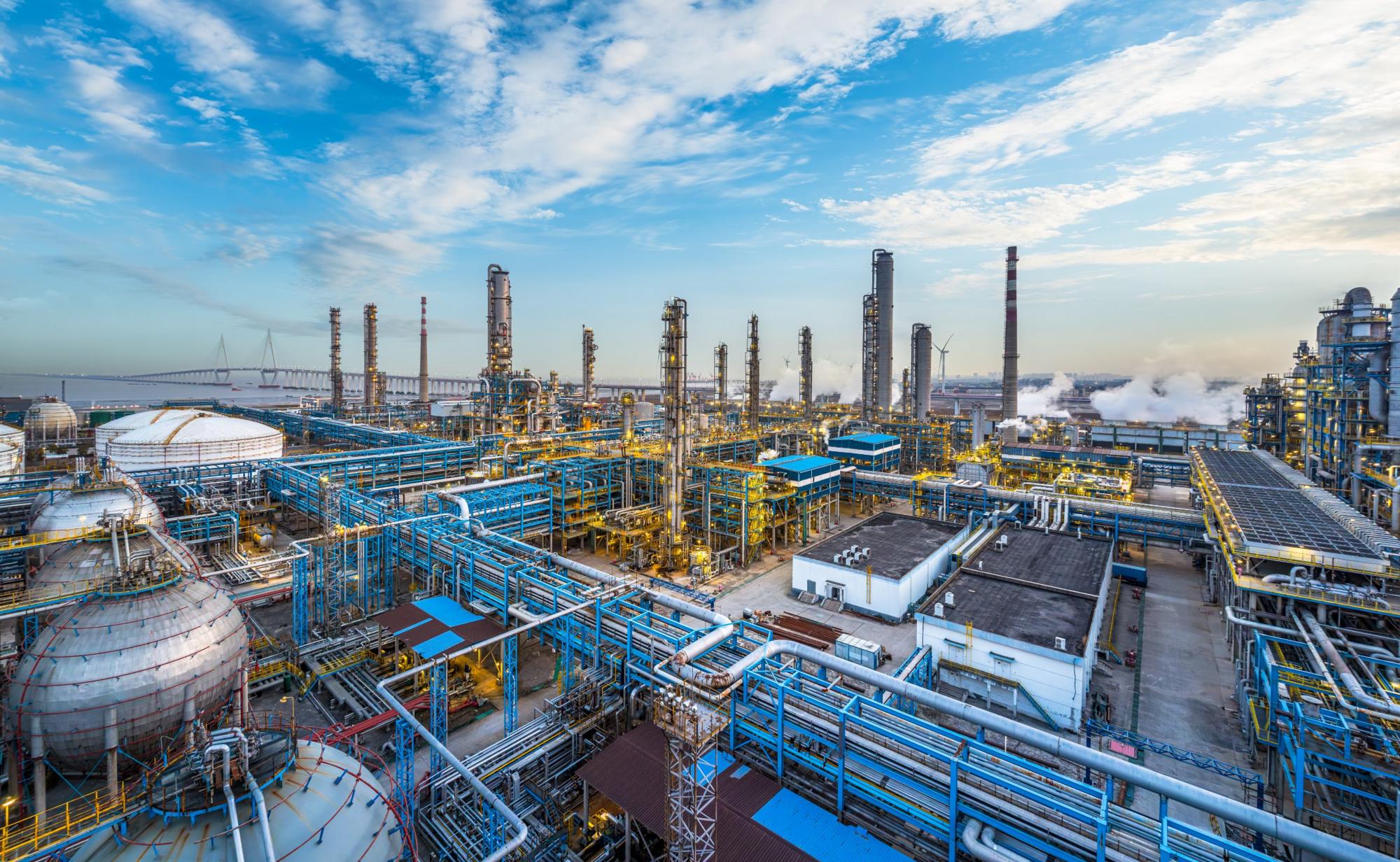
Refineries, chemical plants and manufacturing facilities cover large footprints with assets that need constant attention. Leak surveys, flare and stack checks and tank inspections are labor-heavy and put people near hazards, and long perimeters are costly to patrol. Nodes inside the site boundary keep drones on station around the clock, flying scheduled inspections and launching automatically on alarms.
- Leak detection and emissions surveys on a schedule
- Flare, stack, tank and roof inspections without lifts or climbs
- Perimeter patrols and automatic alarm response
- The same network across plants, pipelines and facilities
EPA has approved autonomous drone optical gas imaging as an alternative test method for methane compliance. Source: sUAS News, Oct 2025
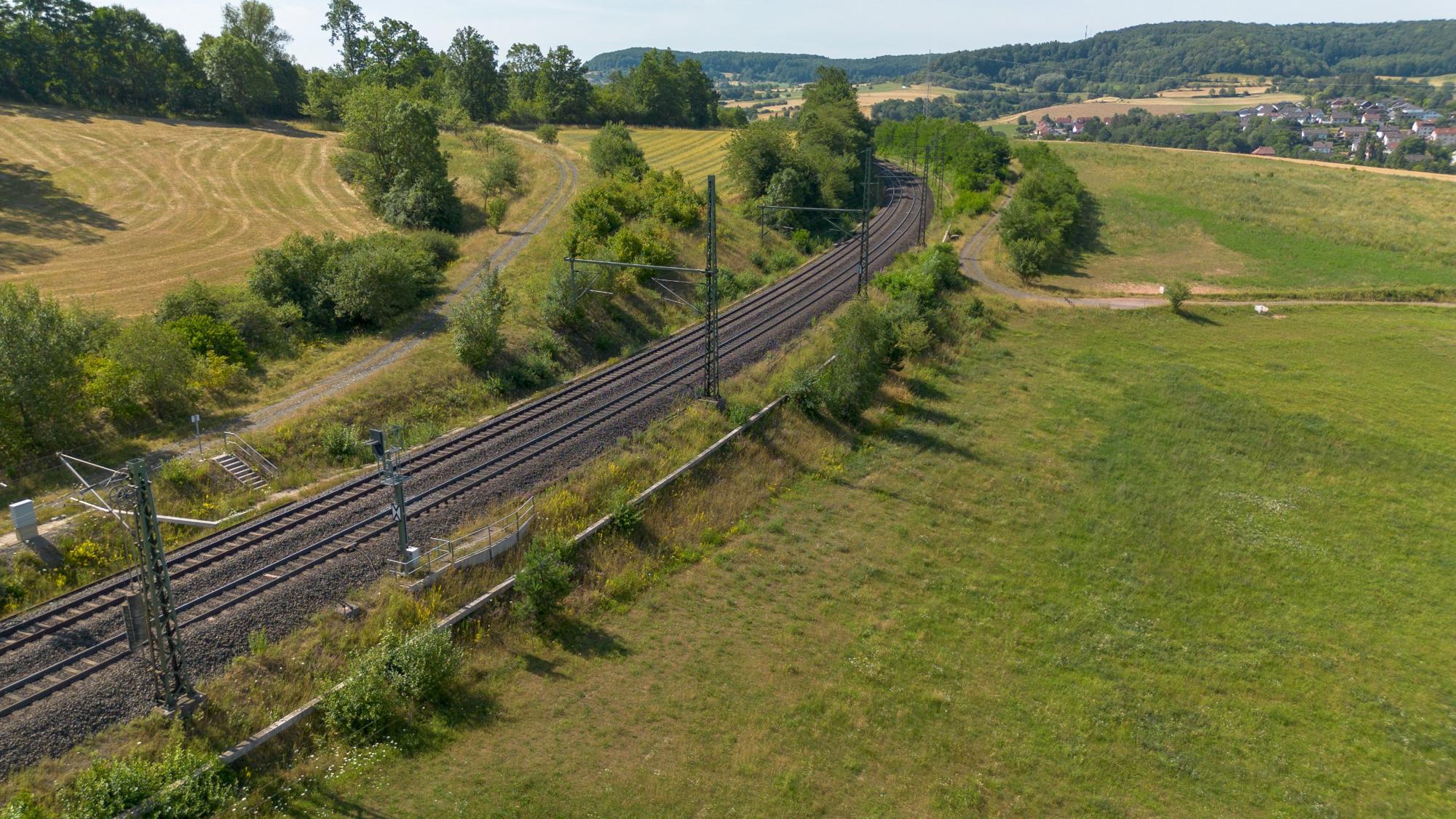
Eyes on every bridge, cut and yard before the first train
Bridges, slopes and remote track need regular checks, and a storm can wash out a line overnight. Sending crews to find out takes hours. Nodes at bridges, cuts, tunnels and yards let drones inspect structures on a schedule, sweep the line after storms and patrol yards at night.
- Post-storm line checks before dispatching trains or crews
- Bridge and structure imagery without climbing or lifts
- Scheduled and alarm-triggered yard security
- Added coverage between required track inspections
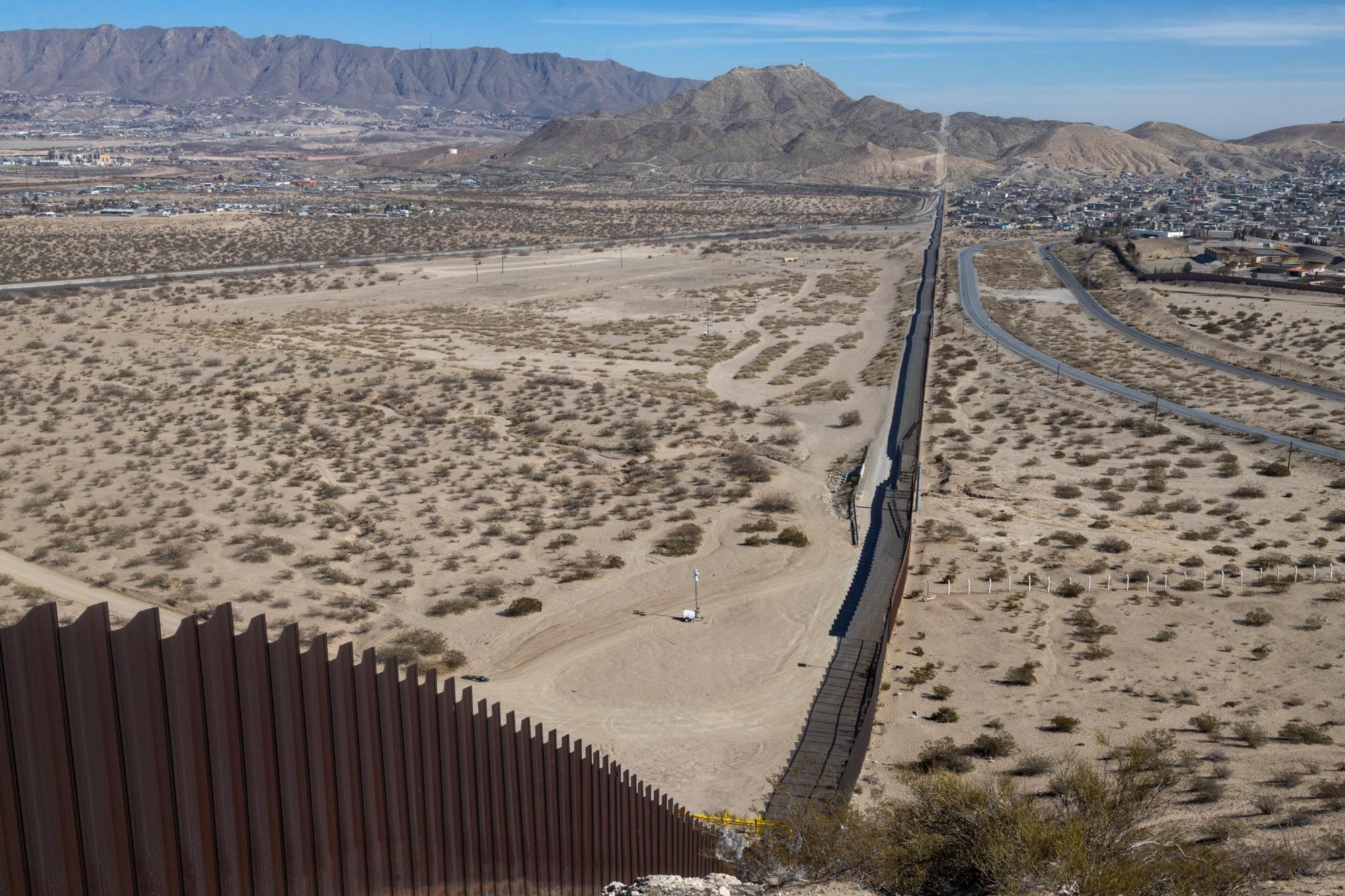
Persistent coverage for long perimeters
Borders, military installations, critical facilities and large campuses all have long perimeters to watch with limited people. Towers and sensors detect activity, but verifying an alarm still means sending someone out. Nodes along the perimeter keep drones charged and waiting. When a sensor trips, the nearest drone launches, streams live video to your team and returns to charge. Vehicle-mounted and portable nodes extend coverage between fixed sites and for temporary operations.
- Eyes on an alarm in minutes, before anyone is dispatched
- Nuisance alarms cleared remotely, with fewer wasted runs
- Scheduled patrols of long fence lines without adding posts
- Works alongside existing towers, sensors and command systems
Don't see your industry?
Our nodes support any operation where drones need to fly farther or more often than one battery allows, including mining, wildfire and land management, public safety, emergency response, water utilities and delivery.