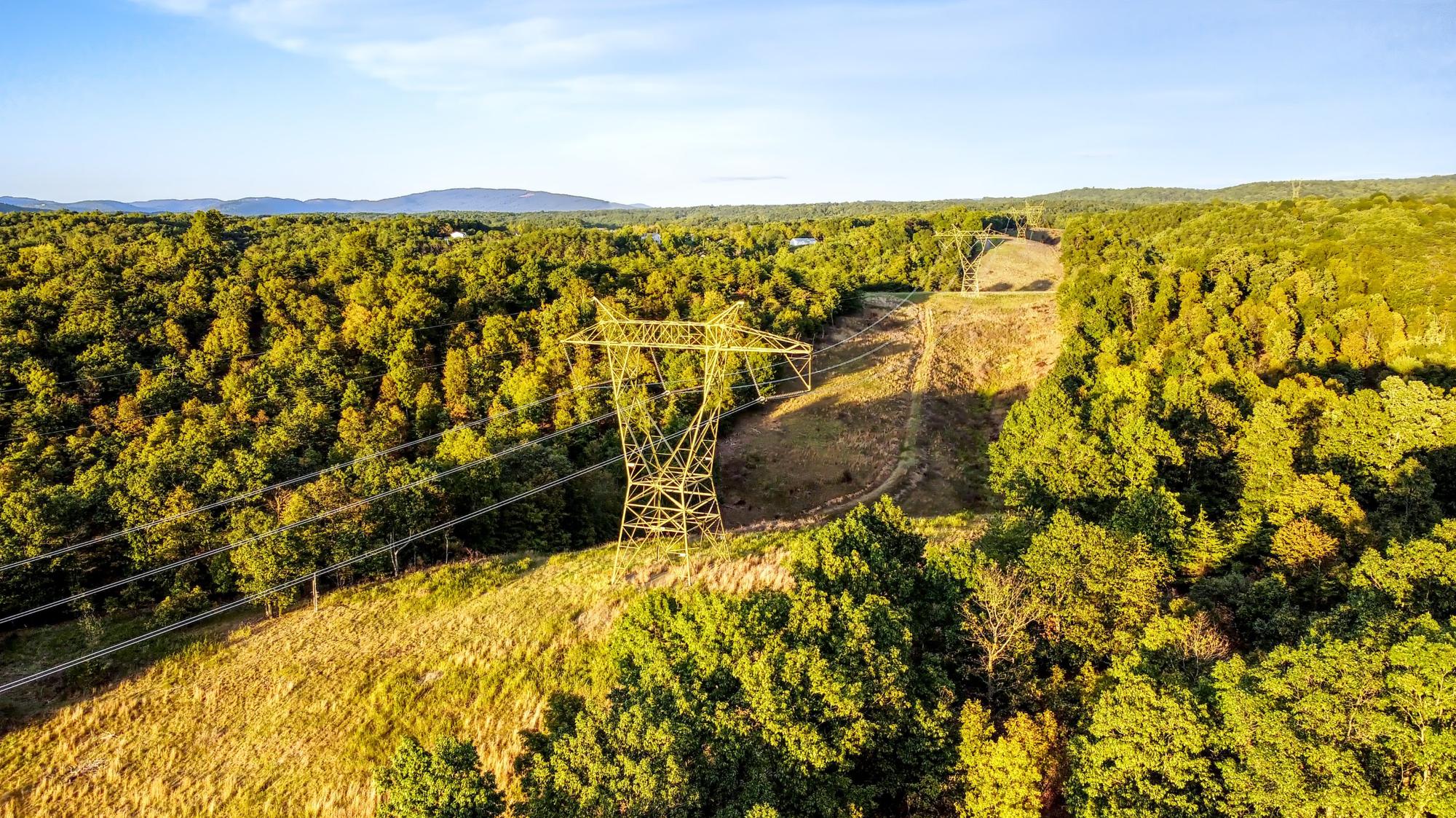
Infrastructure for drones at scale
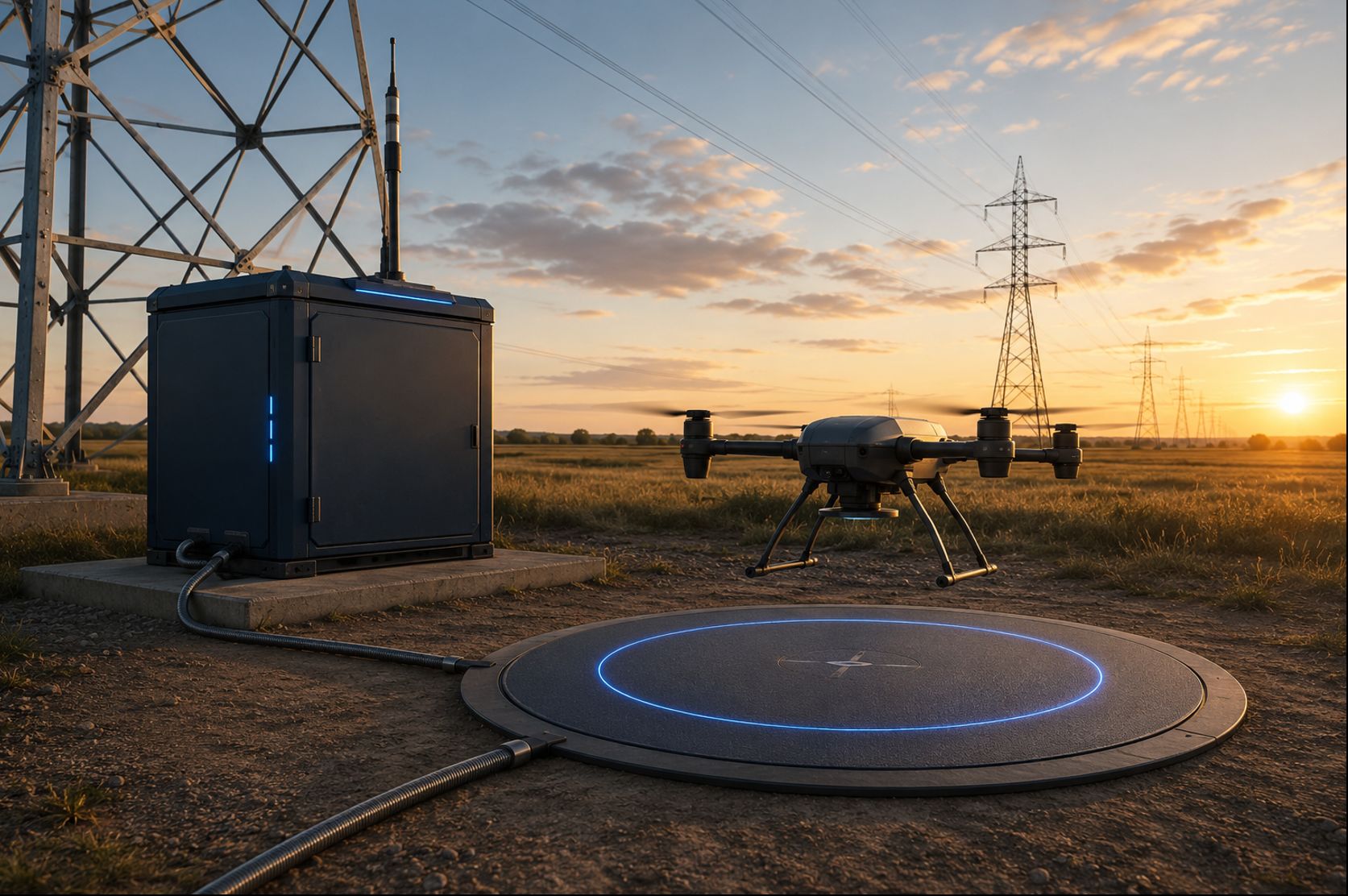
AeroPerch nodes let drones land, charge wirelessly, offload their data and relaunch on their own. Operator-led or fully autonomous, your fleet flies farther and longer with no one on site.
We build the physical layer drone operations run on. Charging, communications and data at every node, so a single flight becomes continuous coverage.
One node. Every drone you fly.
Our nodes work across drone makes and sizes, so you can run mixed fleets and change aircraft without changing your infrastructure.
Wireless charging
Drones land and charge with no plugs, no battery swaps and no one on site. Coverage runs around the clock instead of during pilot shifts.
Communications
Each node relays command and video links beyond line of sight and carries data home where there is no cell coverage.
Data integration
Imagery and flight data offload while the drone charges and flow straight into the tools your team already uses.
Power anywhere
Grid-connected at substations and facilities. Off-grid with battery, solar and generator power where there is no outlet at all.
Built for the places drones work
Sealed, all-weather nodes sit where the work is: substations, rights-of-way, pastures, rail corridors and remote sites. Fixed installations cover permanent routes. Rugged, portable configurations go wherever a mission does and are running within hours.
- FixedPermanent corridors, facilities and perimeters
- PortableRemote, temporary and fast-moving operations
- PowerGrid, battery, solar and generator
A network that keeps drones in the air
- 01
Fly the route
A drone flies its assigned segment, whether that is an inspection, a patrol or a delivery.
- 02
Land at a node
When it needs power, the drone lands at the nearest node along its route.
- 03
Charge and offload
Charging starts on landing while imagery and flight data upload through the node.
- 04
Relaunch
Fully charged, the drone continues to the next segment or heads home. No one touches it.
Nodes placed along a corridor turn one drone's range into coverage for an entire line, pipeline, rail corridor or ranch.
Where our nodes work
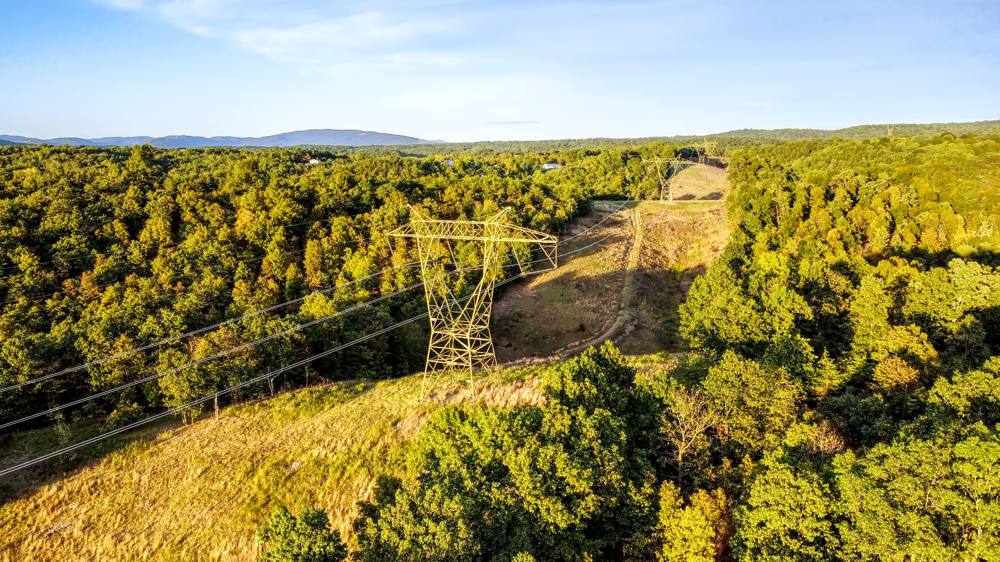
Electric utilities →
Line and substation inspection across entire service territories.
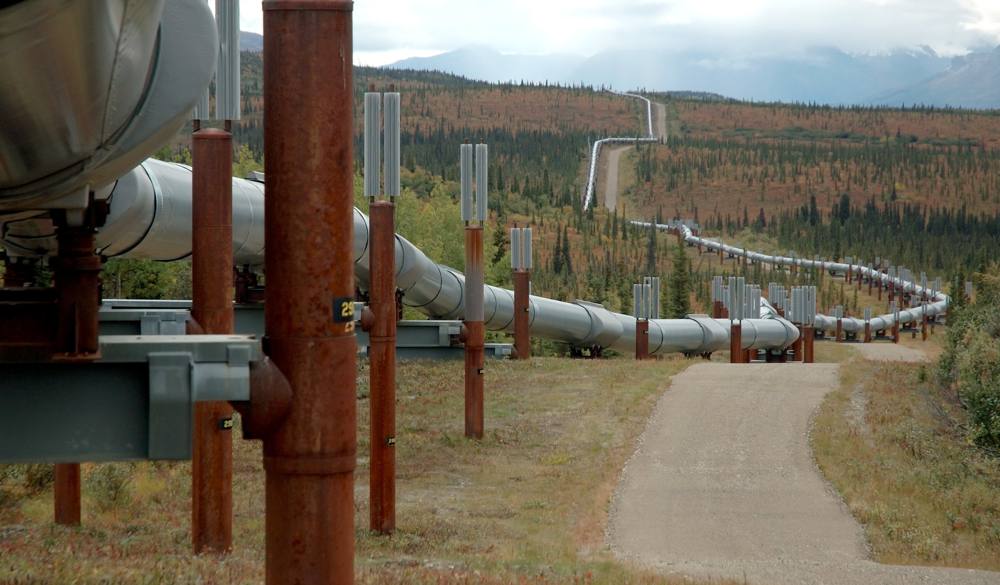
Pipelines →
Scheduled patrols over the full length of the right-of-way.
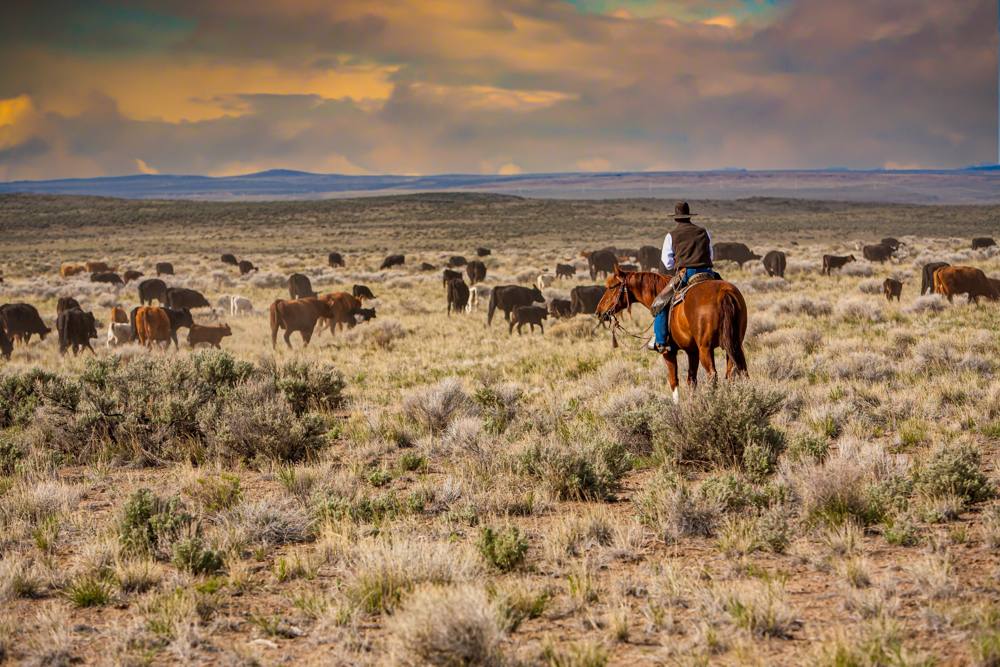
Ranching and agriculture →
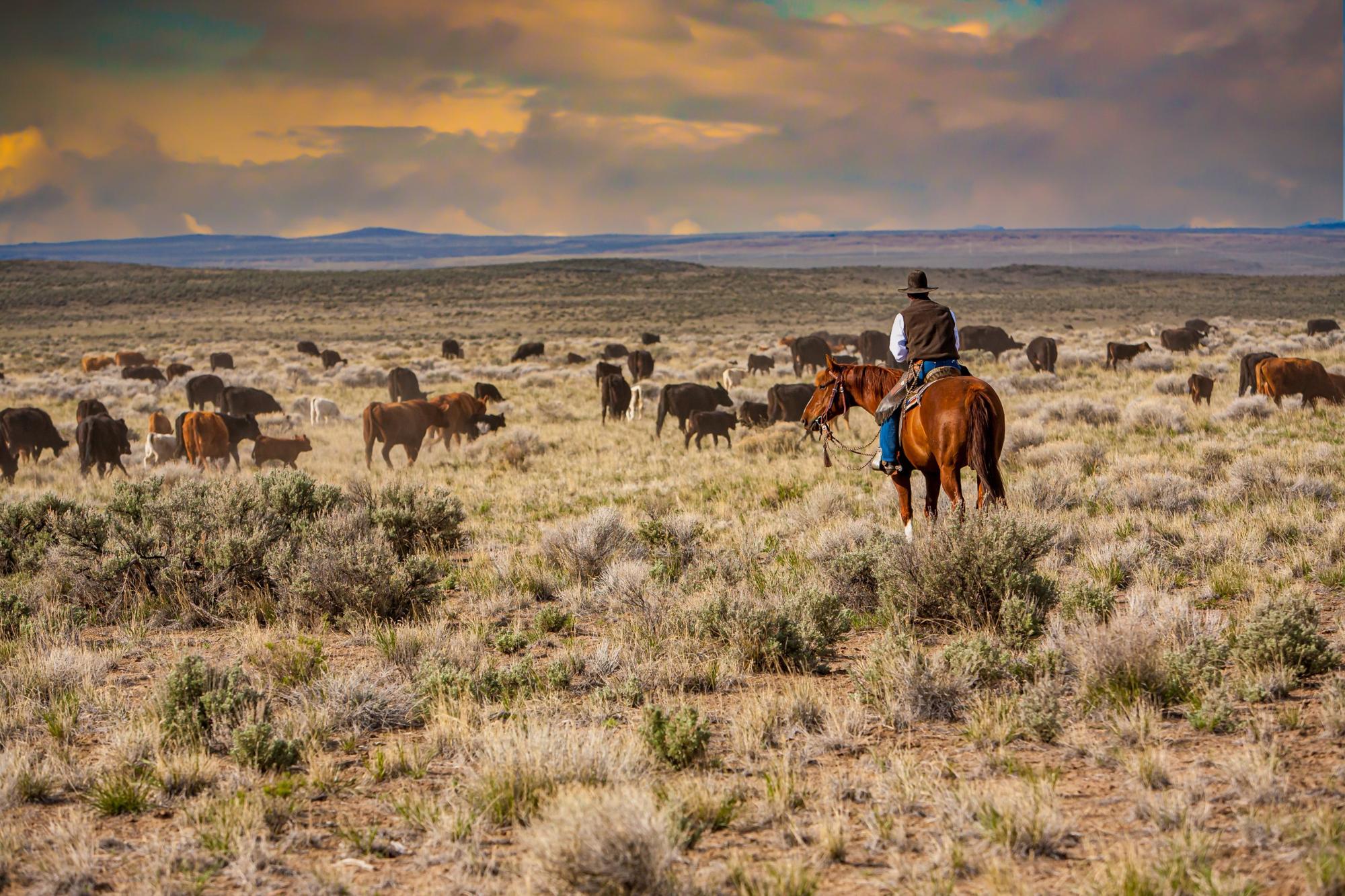
Water, fence and herd checks across thousands of acres.
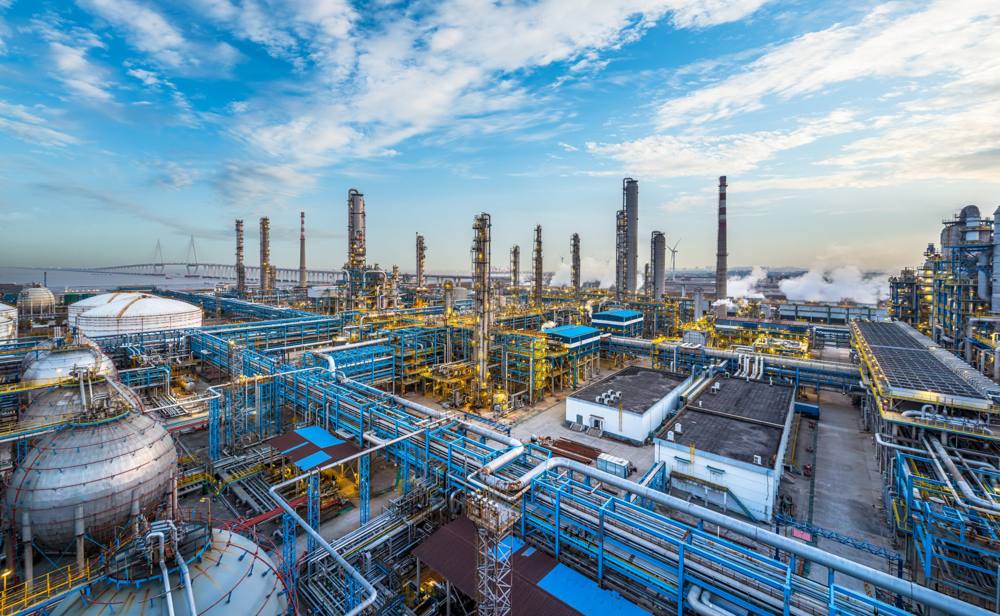
Industrial sites →
Inspection, monitoring and security for refineries, plants and factories.
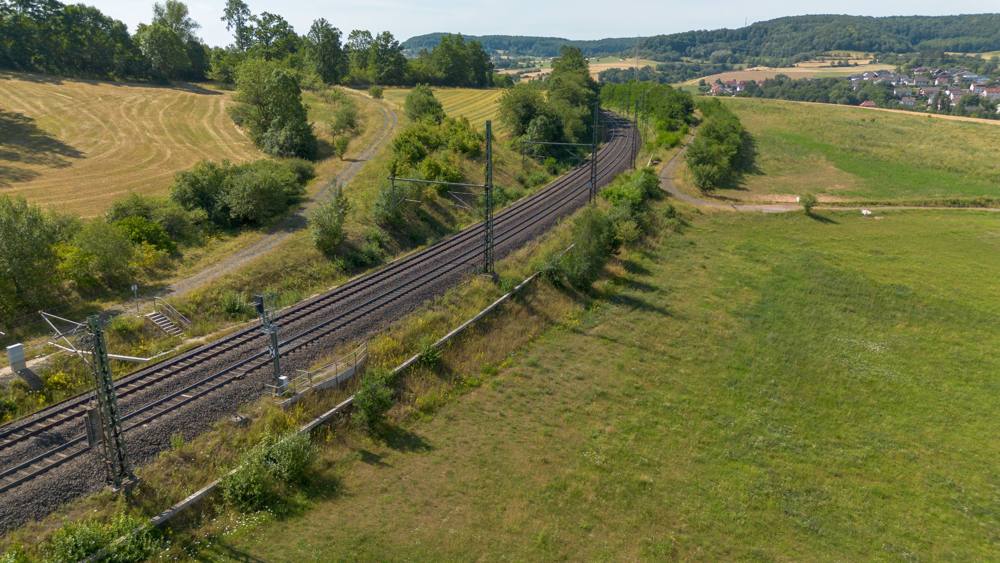
Railways →
Bridge, track and yard checks before the first train.
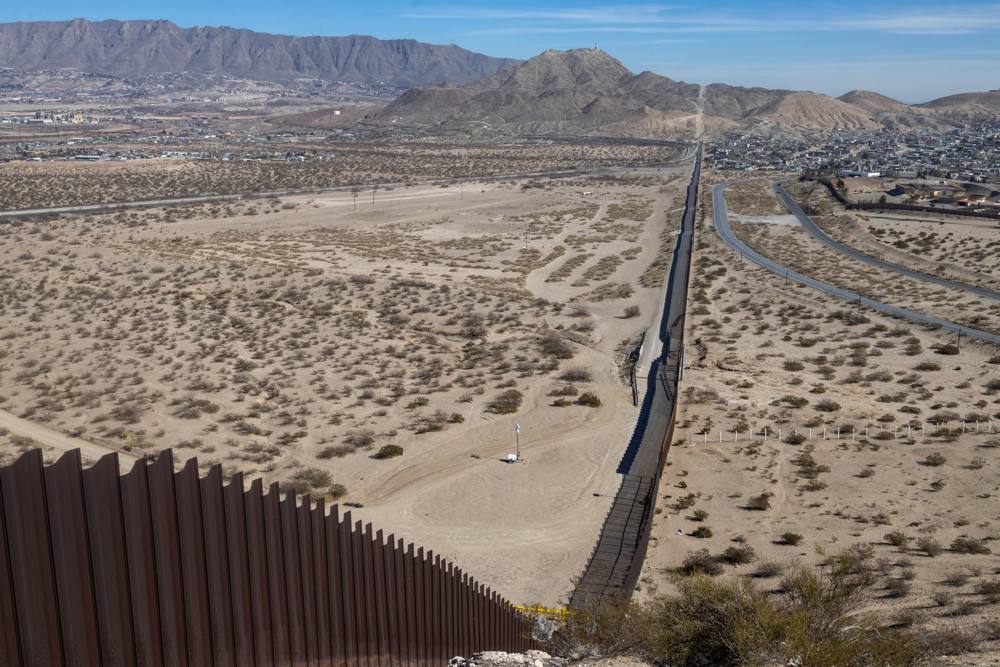
Perimeter monitoring →
Drones on standby to verify alarms along borders, bases and facilities.
Help build the infrastructure drones need
We are hiring engineers across power electronics, wireless power, RF, software and field deployment. Small team, hard problems, real hardware in the field.
Talk to us about your operation
Whether you run a utility, a ranch or a security program, tell us what you need drones to do and we will show you how a node network gets you there.